Where that perspective began.
My interest in building technology didn’t begin with a plan to create a portfolio of companies. Before I was writing software, I was working in operations and learning what it takes to keep people, schedules, and processes moving. Supervising teams at UPS and later working at Target taught me how much people rely on clear coordination and practical tools.
I became interested in the space between how a process was supposed to work and how people actually experienced it. A small inconvenience on paper can become a daily obstacle for the person using a system. I started asking more questions, listening to different perspectives, and looking for changes that might help.
Learning by building.
While studying Information Technology and Python at Nassau Community College, I began developing an early project called Nexus. It was a way to apply what I was learning, with tools for inventory, client records, invoices, assets, appointments, and an income dashboard. It wasn’t originally a workforce-management platform or a launched business. Its scope evolved as I learned more about what people and businesses need.
Studying small-business entrepreneurship helped me approach ideas with more discipline. Noticing a problem is a starting point, not proof that a business opportunity exists. I learned to ask who it affects, what alternatives already exist, whether a solution is realistic, and whether I have the time and ability to pursue it responsibly. Some ideas deserve experiments; others deserve to be set aside.
Looking for the useful gap.
I tend to notice problems hiding in ordinary routines: extra steps, disconnected platforms, avoidable confusion, and tasks people have learned to work around. An idea only becomes worthwhile when I understand the people involved and test whether a proposed solution delivers real value.
That perspective continues to shape my work. I’m interested in systems that reduce unnecessary friction while giving people more control over how they work, create, and connect.
Taking responsibility for the work.
AI-assisted tools make it easier to explore ideas and move from a concept to a prototype. I’ve also learned that speed is not a substitute for understanding. I still need to review the work, question assumptions, make corrections, and take responsibility for the systems I put my name on.
As Nexus grew and other projects emerged, I realized every idea didn’t belong inside one application. That helped shape Delphinium: distinct tools and experiences that can stand on their own and connect when doing so helps the people using them.
More than one kind of builder.
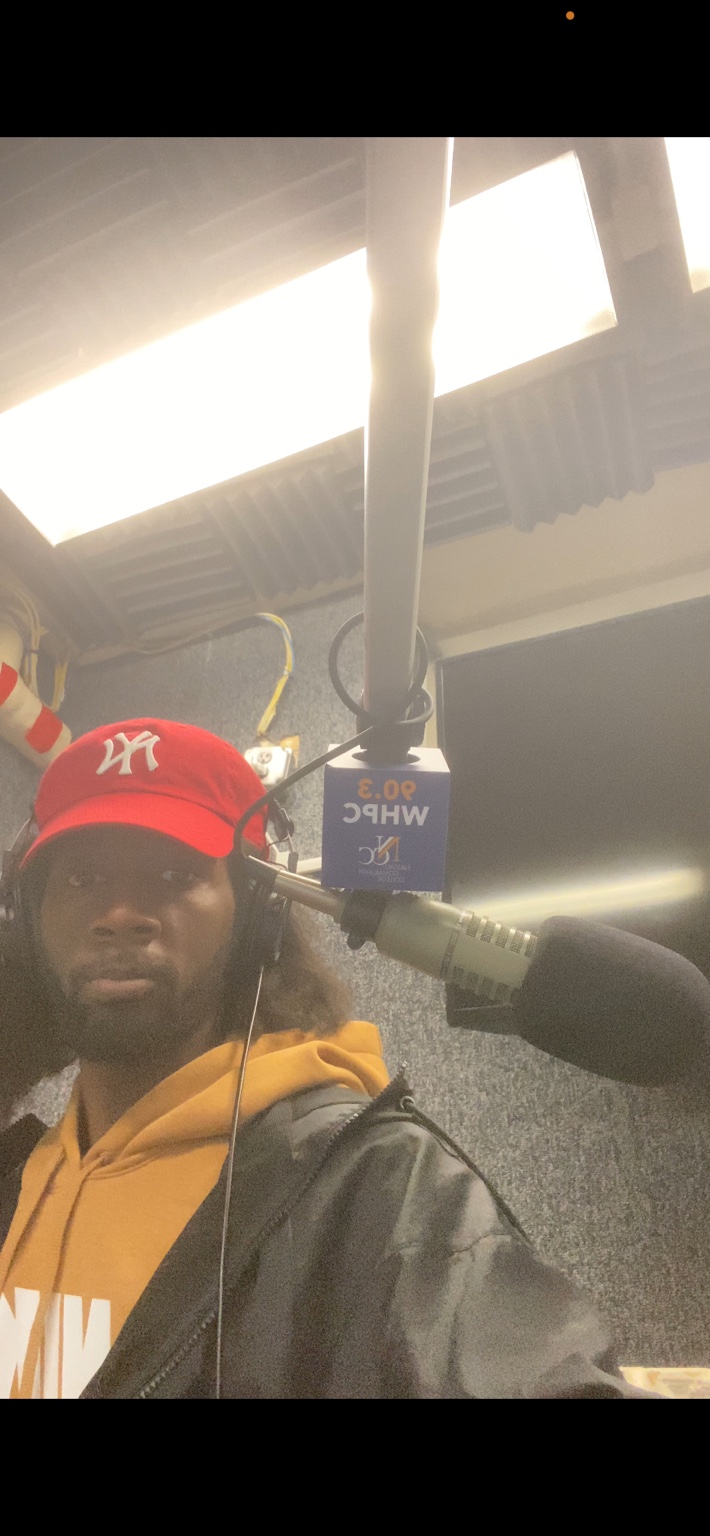
My work spans business software, AI and development tools, creative technology, and storytelling. Alongside those projects, I continue studying, collaborating with a student Mars rover communications team through Nassau’s ACM community, and developing my public voice as DJ Shaq Lit at WHPC 90.3 FM.
I don’t see entrepreneurship as collecting ideas. I see it as learning which problems matter, deciding which ones I can responsibly address, and doing the work to turn a useful possibility into something real.